

自动化视觉检测设备的选型与使用技巧
发布时间:
2025-02-28 15:46
在当今智能制造的大潮中,自动化视觉检测设备作为关键一环,正日益成为提升生产效率与产品质量的重要工具。它利用先进的图像处理技术,模拟人类视觉功能,对生产线上的产品进行精准检测与识别,实现生产过程的智能化升级。
In the current wave of intelligent manufacturing, automated visual inspection equipment, as a key component, is increasingly becoming an important tool for improving production efficiency and product quality. It utilizes advanced image processing technology to simulate human visual functions, accurately detect and recognize products on the production line, and achieve intelligent upgrading of the production process.
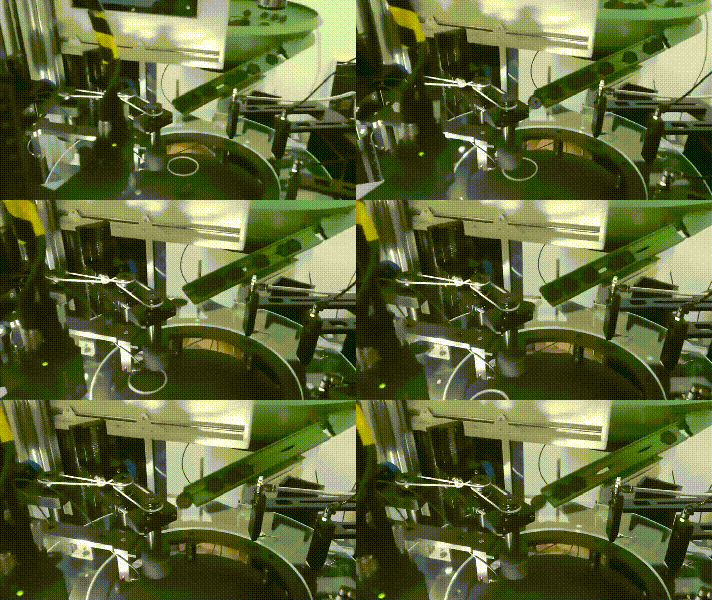
一、自动化视觉检测设备的选型原则
Selection principles for automated visual inspection equipment
1. 明确检测需求
Clearly define the testing requirements
选型的第一步是明确检测对象、检测精度、检测速度以及工作环境等具体要求。例如,对于微小零件的尺寸测量,需要选择高分辨率的相机与镜头组合;而在复杂背景中识别特定标识,则需考虑先进的图像处理算法与强抗干扰能力。
The first step in selection is to clarify specific requirements such as the detection object, detection accuracy, detection speed, and working environment. For example, for measuring the size of small parts, it is necessary to choose a high-resolution camera and lens combination; To identify specific markers in complex backgrounds, advanced image processing algorithms and strong anti-interference capabilities need to be considered.
2. 技术成熟度与兼容性
Technological maturity and compatibility
选择技术成熟、市场反馈良好的品牌与型号,可以减少后期维护成本和技术风险。同时,确保所选设备与现有生产线系统(如PLC、MES等)的良好兼容性,便于数据集成与远程监控。
Choosing brands and models with mature technology and good market feedback can reduce maintenance costs and technical risks in the later stage. At the same time, ensure good compatibility between the selected equipment and existing production line systems (such as PLC, MES, etc.) to facilitate data integration and remote monitoring.
3. 成本效益分析
Cost benefit analysis
综合考虑设备购置成本、软件授权费用、后期维护成本以及预期的生产效率提升带来的经济效益,进行全面的成本效益分析。长期来看,虽然高性能设备初期投资较大,但其带来的效率提升和不良品率降低往往能迅速回报。
Conduct a comprehensive cost-benefit analysis by taking into account equipment purchase costs, software licensing fees, post maintenance costs, and the expected economic benefits of increased production efficiency. In the long run, although high-performance equipment requires a large initial investment, the efficiency improvement and reduced defect rate it brings can often be quickly rewarded.
4. 售后服务与支持
After sales service and support
优质的售后服务和技术支持是设备稳定运行的重要保障。选择能够提供快速响应、专业培训及长期技术支持的供应商,可以有效解决使用过程中遇到的问题,确保设备持续高效运行。
High quality after-sales service and technical support are important guarantees for the stable operation of equipment. Choosing suppliers who can provide quick response, professional training, and long-term technical support can effectively solve problems encountered during use and ensure the continuous and efficient operation of equipment.
二、自动化视觉检测设备的使用技巧
Skills for using automated visual inspection equipment
1. 优化光源配置
Optimize light source configuration
光源是视觉检测中的关键因素,直接影响图像质量和检测精度。根据检测对象材质、颜色及表面特性,选择合适的光源类型(如LED环形光、条形光、同轴光等)和照明方式(直射、漫反射、背光等),可以显著提升图像对比度,降低噪声干扰。
Light source is a key factor in visual inspection, directly affecting image quality and detection accuracy. Choosing the appropriate light source type (such as LED ring light, strip light, coaxial light, etc.) and lighting method (direct, diffuse reflection, backlight, etc.) based on the material, color, and surface characteristics of the detection object can significantly improve image contrast and reduce noise interference.
2. 精确标定与校准
Accurate calibration and calibration
定期对相机、镜头及工作台面进行标定与校准,确保图像坐标与实际物理坐标的一致性,是提高检测精度的关键步骤。此外,对于高精度测量任务,还需考虑环境因素(如温度、湿度)对设备性能的影响,适时调整校准参数。
Regularly calibrating and calibrating cameras, lenses, and workbenches to ensure consistency between image coordinates and actual physical coordinates is a key step in improving detection accuracy. In addition, for high-precision measurement tasks, it is necessary to consider the impact of environmental factors (such as temperature and humidity) on equipment performance and adjust calibration parameters in a timely manner.
3. 图像处理算法调优
Optimization of image processing algorithms
根据检测任务特性,灵活选用或开发图像处理算法,如边缘检测、模板匹配、形状分析、颜色识别等。通过算法调优,如调整阈值、滤波参数等,可以进一步提高检测准确率和稳定性。同时,利用机器学习技术,让算法自我学习并适应产品变化,也是提升检测智能化的有效途径。
Based on the characteristics of the detection task, flexibly select or develop image processing algorithms such as edge detection, template matching, shape analysis, color recognition, etc. By optimizing algorithms such as adjusting thresholds and filtering parameters, detection accuracy and stability can be further improved. Meanwhile, utilizing machine learning technology to enable algorithms to self learn and adapt to product changes is also an effective way to enhance detection intelligence.
4. 数据管理与分析
Data Management and Analysis
建立完善的数据管理系统,实时记录检测数据,包括检测结果、图像样本、异常记录等。通过对这些数据的深度分析,不仅可以及时发现生产过程中的问题根源,还能为持续改进提供数据支持。此外,结合大数据分析技术,预测设备故障趋势,提前采取措施,避免生产中断。
Establish a comprehensive data management system to record real-time detection data, including detection results, image samples, abnormal records, etc. Through in-depth analysis of these data, not only can the root causes of problems in the production process be identified in a timely manner, but data support can also be provided for continuous improvement. In addition, combined with big data analysis technology, predict equipment failure trends, take measures in advance, and avoid production interruptions.
5. 人员培训与持续学习
Personnel training and continuous learning
自动化视觉检测技术的有效应用,离不开专业人才的支撑。定期组织操作人员和技术人员进行专业培训,涵盖设备操作、软件使用、故障排查及新技术学习等方面,确保团队技能与时俱进,不断提升检测效率与质量。
The effective application of automated visual inspection technology relies on the support of professional talents. Regularly organize professional training for operators and technicians, covering equipment operation, software usage, troubleshooting, and new technology learning, to ensure that team skills keep pace with the times and continuously improve testing efficiency and quality.
自动化视觉检测设备作为智能制造的重要组成部分,其选型与使用技巧的掌握,对于提升企业竞争力具有重要意义。通过明确需求、精选设备、优化配置、精细管理以及持续学习,企业不仅能够实现生产过程的智能化升级,还能在激烈的市场竞争中占据先机,持续推动产品创新与质量提升。
As an important component of intelligent manufacturing, the selection and usage skills of automated visual inspection equipment are of great significance for enhancing the competitiveness of enterprises. By clarifying requirements, selecting equipment, optimizing configurations, fine management, and continuous learning, enterprises can not only achieve intelligent upgrades in the production process, but also take the lead in fierce market competition, continuously promoting product innovation and quality improvement.
视觉检测设备